
Common Cause Supports YES on 200 and NO on 1A


Douglas County has grown more than 40 percent since 2010, but its government hasn't grown with it. Three commissioners still make every county decision for more than 400,000 residents. For the more than 100,000 people in unincorporated Douglas County, that three-member board is the only elected local government they have.
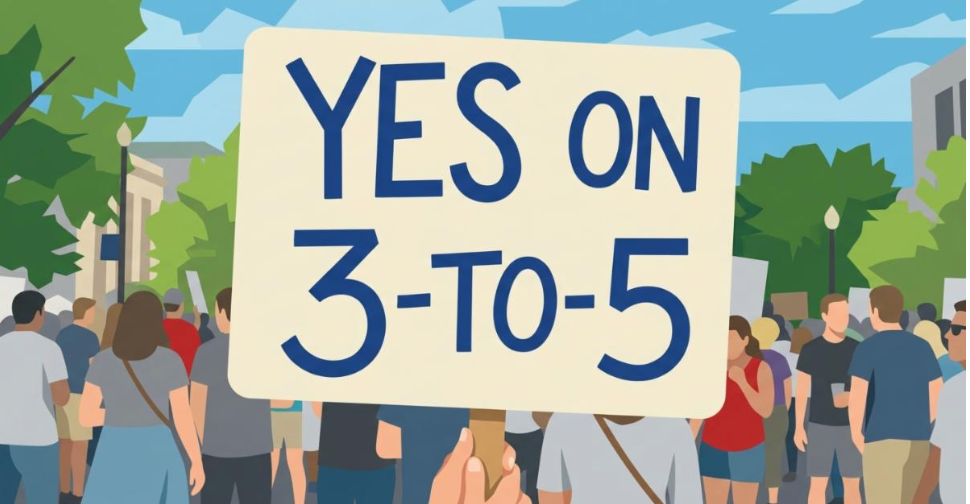
Common Cause believes representation should keep pace with the people being represented; growing the board from three commissioners to five brings more voices into county government, and it means a majority takes three votes instead of two.
Currently, DougCo commissioners are elected countywide, also known as an "at-large" election model, where there are no individual districts. In many instances in US history, this kind of election model is notorious for diluting the electoral strength of racial and language minority populations, because the "majority" voting population gets to determine all of the winners.
Just ask Ruth Bader Ginsburg. In 2013, the US Supreme Court handed down a decision in Shelby County v. Holder that nullified much of the power of the federal Voting Rights Act. In her dissenting opinion, Justice Ruth Bader Ginsburg specifically called out at-large elections as a “second-generation barrier” to ballot access for people of color, that she stated should be barred by the law. Justice Ginsburg was so emphatic about this because, when looked at broadly across the United States, at-large systems of representation have the effect of systemically diluting the ability for groups who make up the minority of voters in a jurisdiction to elect their candidates of choice.
Douglas County voters put this on the ballot, and that is democracy working the way it should: people asking for a government that reflects them. Common Cause urges Douglas County voters to vote YES on 200 this November - and NO on 1A, the competing measure written by the commissioners themselves, which would keep every commissioner elected countywide.


Comments